
Within the global supply chain, supplying interior materials to demanding markets such as North America or Europe is far more than a logistics exercise it is a rigorous test of manufacturing capability and quality governance. For Vietnamese interior brands seeking to establish a credible position on the international stage, export material quality control is the only viable passport to recognition.
1. Defining ‘Demanding Markets’ in the Interior Materials Sector
Markets such as North America, the European Union, and the Nordic countries do not simply require refined aesthetics. They impose comprehensive technical barriers grounded in safety, transparency, and accountability:
- Health Standards: Strict regulations governing chemical emissions including volatile organic compounds (VOCs) and formaldehyde off-gassing to protect indoor environmental quality.
- Performance Standards: Requirements for thermal resistance, fire retardancy, moisture resistance, and structural durability, validated against internationally recognized standards such as ASTM (U.S.) and EN (Europe).
- Sustainability Requirements: A strong preference for materials with fully documented supply chains, demonstrable environmental credentials, and end-of-life recyclability.
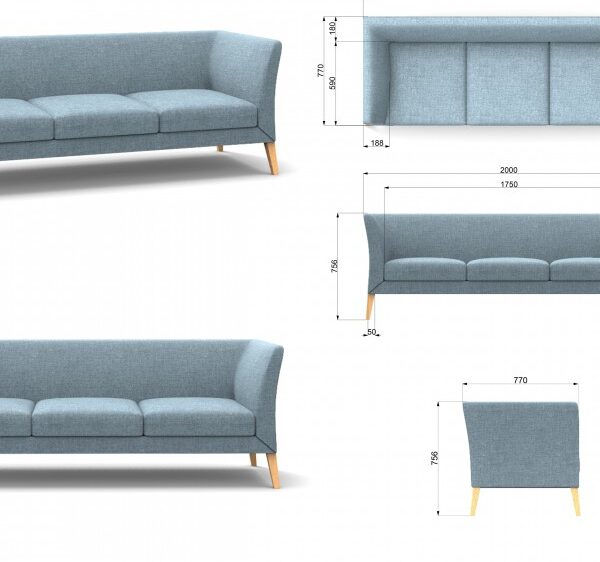
International-standard interior fit-out
2. Why Quality Control Is a Survival Factor in Export Markets
In export contexts, quality failures trigger consequences that are exponentially more severe than in domestic operations:
- Recall & Compensation Costs: The economics of international freight mean that a returned shipment due to technical non-conformance can threaten a company’s financial viability.
- Legal Liability: Destination markets operate under robust consumer protection legislation. Non-conforming materials can trigger protracted litigation with significant damages exposure.
- Brand Damage: Once a supplier is blacklisted by major international distributors, rebuilding market credibility is a near-impossible task.
3. Export Quality Control Process: From Factory to Project Site
Achieving consistent compliance requires a fully integrated, closed-loop quality management system:
- Input Inspection: All timber, stone, and metal inputs are sourced exclusively from certified suppliers (FSC, PEFC). Every incoming material is subject to moisture content analysis and chemical composition testing prior to acceptance.
- In-Process Control: High-precision CNC manufacturing processes are combined with statistical Acceptance Quality Limit (AQL) sampling at each production stage.
- Simulation Testing: Prior to packing, finished products undergo performance testing under simulated conditions replicating the climatic environment of the destination market covering thermal cycling, load-bearing performance, and humidity resistance.
- Third-Party Certification: Independent inspection and testing by internationally accredited bodies including SGS and Intertek provides objective, recognized certification for each production batch.

Export material certification
4. The Role of an Integrated Production Ecosystem in Quality Assurance
Export material quality cannot be sustained without an underpinning of synchronized manufacturing infrastructure:
- Digital Manufacturing Management: All technical parameters are digitized, enabling end-to-end traceability of each material panel from production through to client delivery.
- Sustainable Supply Chain: Deep integration between the manufacturing facility and raw material suppliers creates tighter control over quality variables and reduces exposure to supply chain risk.
- Technology Investment: Automated finishing systems and high-precision laser cutting technology systematically reduce human-induced variation and dimensional error.
5. Quality Control & Installation: An Inseparable Relationship
In international interior fit-out, premium materials are only as good as the installation methodology applied to them. A timber panel that meets every international standard will underperform if the installation team fails to account for the material’s thermal expansion behavior in the local climate. Quality control must therefore extend beyond the factory gate to encompass installation training and technical guidance for in-country partners ensuring the performance and aesthetic integrity of the finished product.
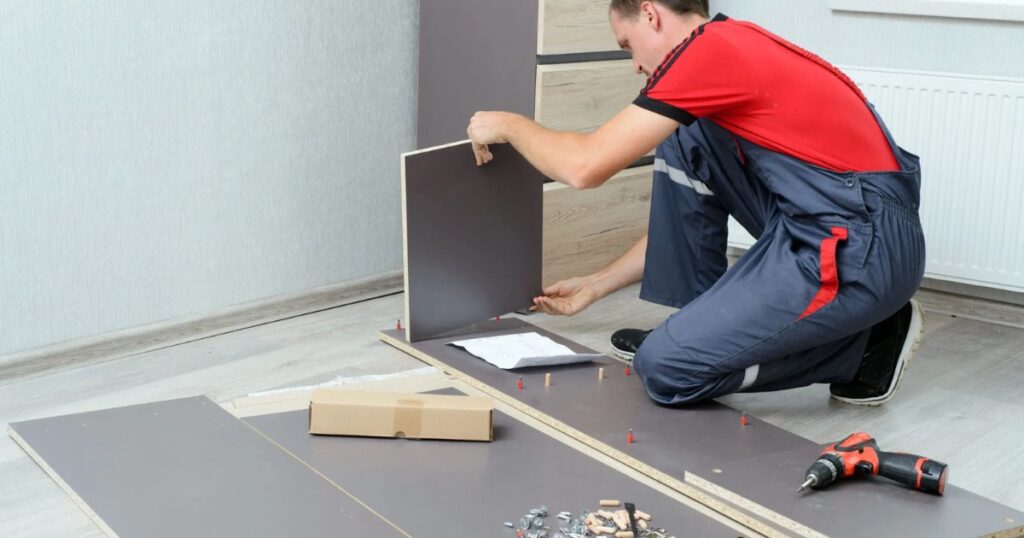
Material testing
6. The Alvano Perspective: Quality Beyond Certification
At Alvano, we understand that certification is a starting point, not a destination. Our commitment to material quality is expressed through meticulous attention to every detail because it is that attention, not the paperwork alone, that sustains client confidence over the long term. True quality at Alvano means materials that not only satisfy the most demanding European and American technical standards, but that also retain their inherent beauty and emotional resonance within every living and working environment they inhabit.
Related Posts
In an era defined by climate urgency, the concept of a ‘home’ or any high-quality interior environment can no longer be evaluated on comfort and aesthetics alone. A truly exceptional living or working space now demands environmental responsibility as a foundational design principle. Sustainable interior design, realized through the deliberate specification of green interior materials, […]
Earth tones and neutral color palettes have firmly established themselves as the defining aesthetic direction for luxury interior design in 2026. Widely adopted by leading architects and premium fit-out contractors alike, these grounded, nature-inspired schemes create interiors that are simultaneously refined, enduring, and highly versatile. From five-star hospitality to Grade-A commercial and high-end residential, neutral […]
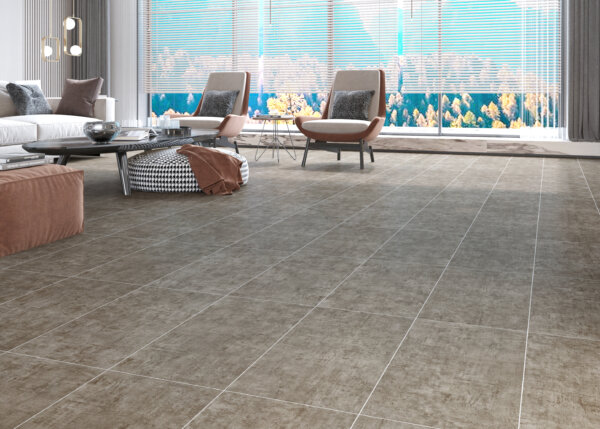
Premium tiles are no longer simply a surface finish. Across hotel, commercial office, retail, and high-end residential developments, tiles have become a defining element of architectural language, shaping spatial experience, reinforcing brand identity, and directly influencing the quality of the user journey. What was once treated as a technical finishing material has evolved into architectural […]
