
In an era defined by climate urgency, the concept of a ‘home’ or any high-quality interior environment can no longer be evaluated on comfort and aesthetics alone. A truly exceptional living or working space now demands environmental responsibility as a foundational design principle. Sustainable interior design, realized through the deliberate specification of green interior materials, is no longer a niche pursuit. It has become the new standard one that shapes healthier spaces, more considered lifestyles, and a materially lighter footprint on the natural world.
1. What Are Green Materials in Interior Design?
Green interior materials are those extracted, manufactured, and applied in ways that demonstrate genuine accountability to ecological systems. A material earns the ‘green’ designation when it satisfies several key criteria:
- Renewable or Responsibly Sourced Origins: Derived from rapidly renewable natural sources (bamboo, rattan, FSC-certified timber) or manufactured from reclaimed and recycled inputs.
- End-of-Life Recyclability: Capable of biological decomposition or material recycling at the close of its useful service life avoiding permanent landfill contribution.
- Indoor Air Quality Safety: Low or zero volatile organic compound (VOC) emissions, ensuring that the air quality within occupied spaces is not compromised by the materials that furnish them.
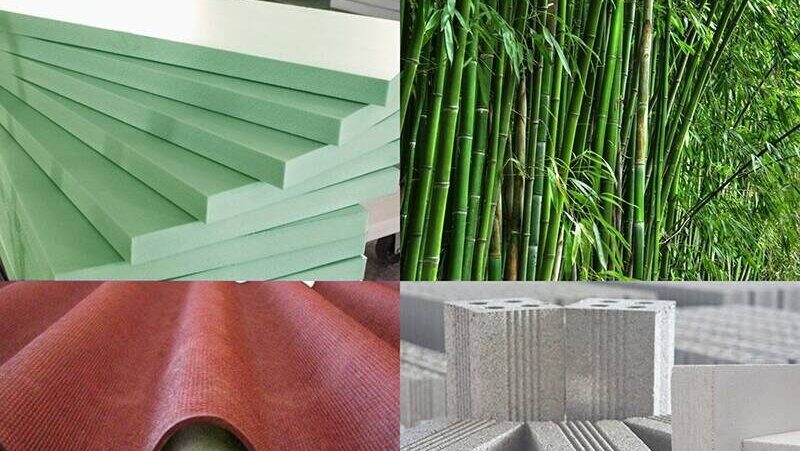
Green materials in interior design
2. Why Green Materials Are Becoming a Design Priority
The shift toward environmentally responsible material specification is not incidental. Three core drivers are reshaping the industry:
- Occupant Health: Lower-quality engineered timber products frequently contain formaldehyde a recognized carcinogen at problematic emission levels. Green materials eliminate this risk, creating environments in which occupants can sleep, live, and work in genuinely healthier conditions.
- Durability & Longevity: Sustainably produced materials characteristically offer superior service life and greater resilience under varying climatic conditions delivering a more favorable whole-life cost profile than lower-specification alternatives.
- Lifestyle & Values Alignment: The specification of green materials is a visible expression of environmental literacy and social responsibility a meaningful reduction of the carbon footprint attributable to the built interior.
3. Leading Green Material Categories in Interior Design
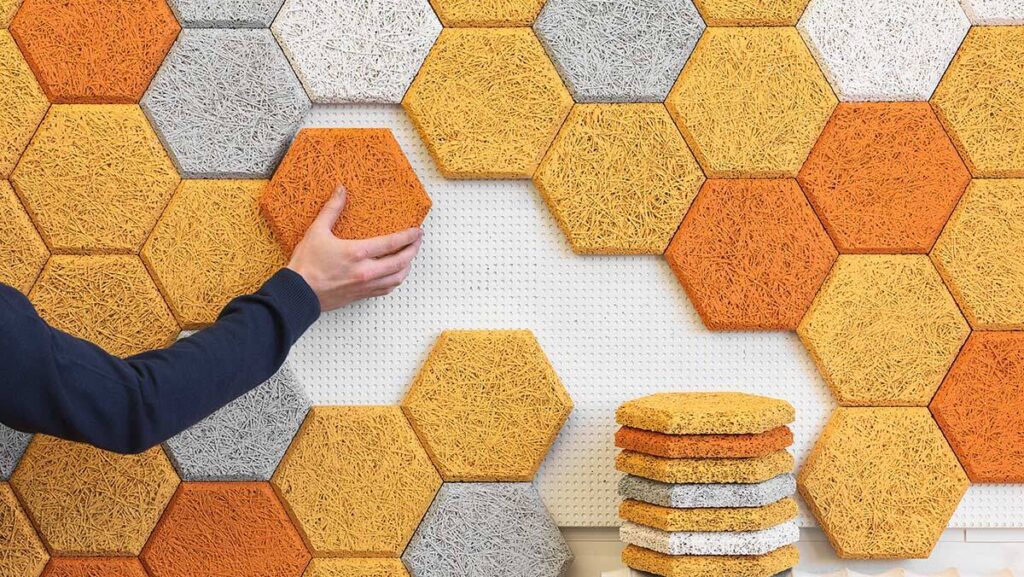
The contemporary market offers a diverse and growing range of sustainable alternatives to conventional interior materials:
- FSC-Certified Timber: Timber harvested from forests managed under verified sustainable forestry protocols ensuring that natural forest resources are not depleted in the process of specifying wood-based interiors.
- Premium Recycled Materials: Tiles produced from reclaimed ocean plastics, engineered stone incorporating waste stone powder, and upholstery textiles manufactured from recovered fabric fibers closing material loops that would otherwise contribute to waste streams.
- Bio-Based Materials: Leather alternatives derived from pineapple fiber (Pinatex), mycelium-based composites, and water-based natural paint formulations materials that are both innovative and inherently low-impact.
- Bamboo, Rattan & Natural Fiber Products: Traditionally significant materials in Vietnamese craft heritage, now processed with advanced technology to deliver mold, pest, and moisture resistance appropriate for modern interior applications.
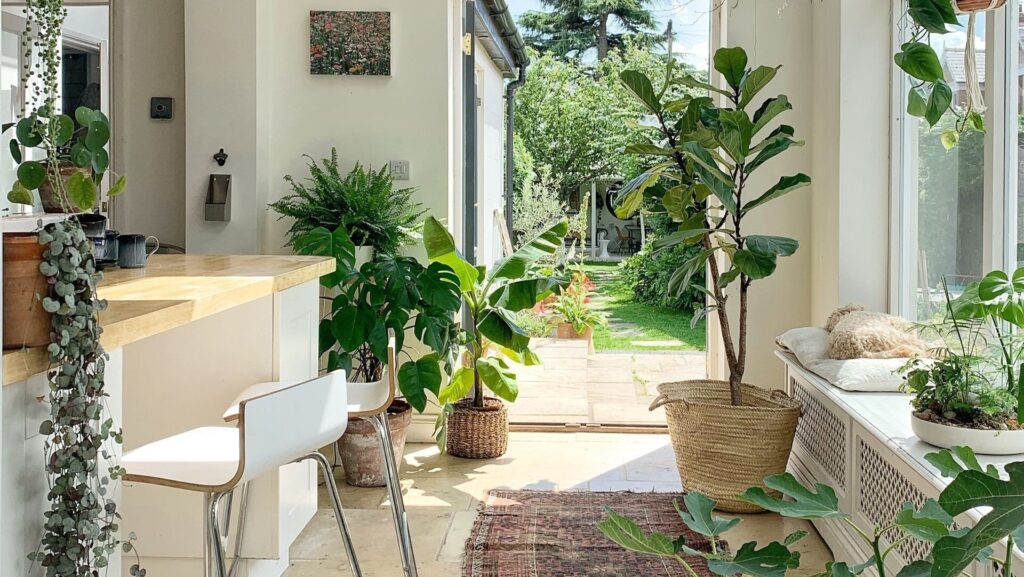
Architectural tiles in interiors
4. Green Materials & Luxury Aesthetics: Are They Compatible?
A persistent misconception holds that sustainable materials are inherently rustic or lacking in refinement. The evidence from leading luxury interior practices tells a very different story.
The world’s most respected luxury brands are actively embracing sustainable materials as markers of genuine sophistication. Recycled terrazzo panels with their unique, unrepeatable graphic quality or the warm, tactile depth of handcrafted terracotta wall surfaces achieve a level of material authenticity and one-of-a-kind character that mass-produced industrial materials simply cannot replicate. In premium sustainable interior design, luxury is expressed through the narrative and intrinsic value the material contributes to the space a far more enduring form of opulence than brand recognition alone.
5. The Fit-Out Contractor’s Role in Green Material Specification
For a project to genuinely achieve its sustainability ambitions, the expertise and accountability of the design team and fit-out contractor are essential enablers:
- Certification Verification: Ensuring that all specified materials carry the relevant and current green credentials LEED, LOTUS, Green Label, or equivalent internationally recognized certifications from verified and audited supply chains.
- Technical Advisory: Guiding clients through the performance characteristics and application limitations of each green material category, ensuring that sustainable specifications are matched to the functional demands of each zone (for example, specifying green materials with appropriate moisture resistance ratings in wet areas).
- Construction Waste Minimization: Implementing installation methodologies that minimize material waste, and specifying low-toxicity adhesives, sealants, and surface treatments to ensure that the completed interior is as ‘clean’ in its construction as it is in its occupancy.
Related Posts
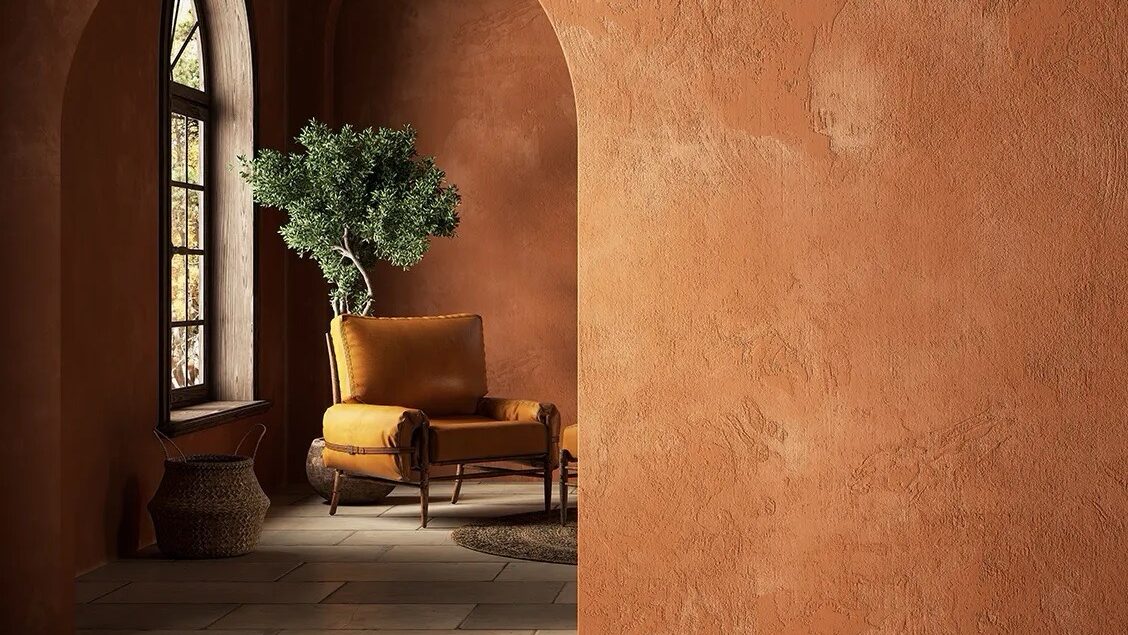
Earth tones and neutral color palettes have firmly established themselves as the defining aesthetic direction for luxury interior design in 2026. Widely adopted by leading architects and premium fit-out contractors alike, these grounded, nature-inspired schemes create interiors that are simultaneously refined, enduring, and highly versatile. From five-star hospitality to Grade-A commercial and high-end residential, neutral […]
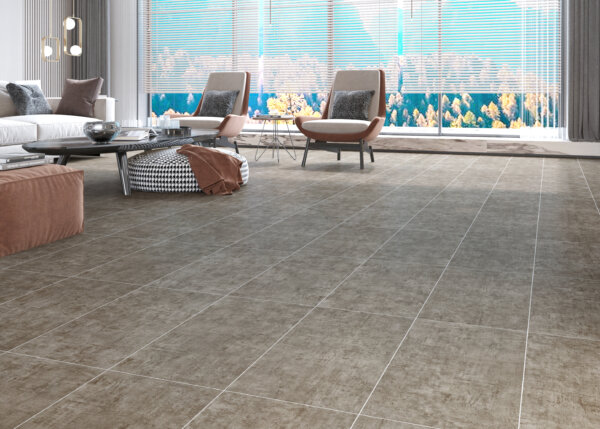
Premium tiles are no longer simply a surface finish. Across hotel, commercial office, retail, and high-end residential developments, tiles have become a defining element of architectural language, shaping spatial experience, reinforcing brand identity, and directly influencing the quality of the user journey. What was once treated as a technical finishing material has evolved into architectural […]
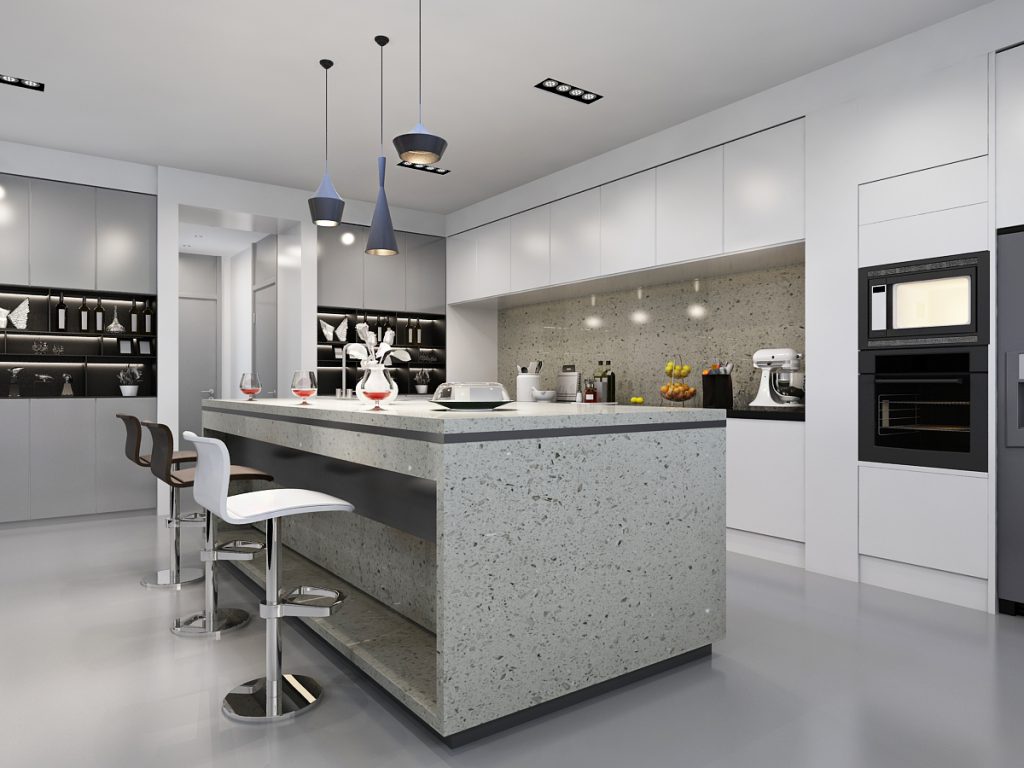
Quartz stone has emerged as the material of choice across hotel, commercial office, and retail fit-out projects valued precisely for its ability to reconcile premium aesthetics with long-term operational performance. As an engineered stone manufactured under rigorous, controlled production processes, quartz delivers consistent durability, dimensional uniformity, and minimal maintenance requirements. These properties make it ideally […]
