
In a luxury interior, true opulence is not defined by brand labels alone, it lies in how each element dissolves seamlessly into the architecture itself. Built-in furniture also known as bespoke joinery or fitted millwork, is the defining feature that transforms a space from simply furnished to architecturally resolved. It turns inert walls into artful, functional assets, and elevates a project from high-spec to genuinely one-of-a-kind.
1. Built-In vs. Loose Furniture: Understanding the Distinction
To appreciate why bespoke joinery commands a premium, it is essential to understand how it fundamentally differs from loose furniture:
- Loose Furniture: Mass-produced items manufactured to standard dimensions sofas, coffee tables, freestanding beds. These offer flexibility and portability but inevitably leave dead zones and spatial inefficiencies within a room.
- Built-In Furniture: Custom-designed and fabricated millwork wardrobe systems, TV feature walls, bedhead panels engineered specifically for a given space. Built-in joinery runs floor-to-ceiling and wall-to-wall, maximizing every centimeter of usable area and delivering a perfectly flush, continuous surface.
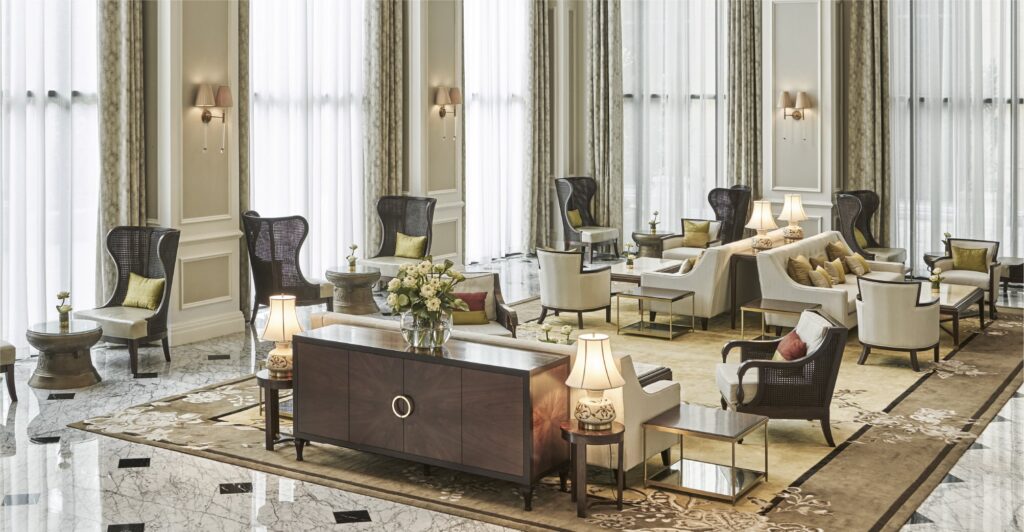
Built-in furniture in hotels
2. The Role of Built-In Joinery in Hotels & Luxury Residences
In five-star hospitality projects, penthouse residences, and branded serviced apartments, built-in furniture is not a finishing touch it is a structural design decision that defines the caliber of the space:
- Space Optimization: Column enclosures, alcoves, and structural recesses are transformed into refined integrated cabinetry, making rooms feel more expansive and uncluttered.
- Aesthetic Coherence: Built-in joinery allows designers to apply a single material language whether book-matched veneer, natural stone, or textured fabric across both walls and cabinetry, achieving a level of visual continuity impossible with freestanding pieces.
- Intelligent Functionality: Premium built-in systems incorporate sensor-activated LED lighting, discreetly integrated smart accessories, and concealed mechanisms that deliver a superior user experience.
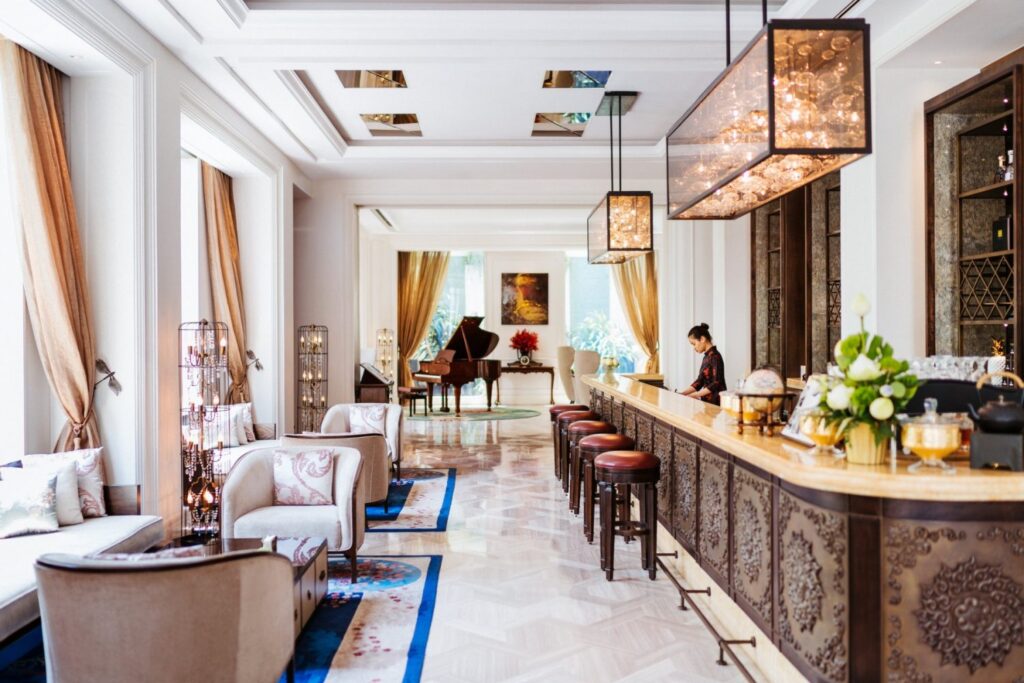
Built-in interiors in hotels
3. Production & Installation: Demanding Standards at Every Stage
Manufacturing built-in furniture is significantly more complex than producing loose pieces. The process demands:
- Precise Site Survey: A deviation of just 1–2mm in a ceiling or floor measurement can prevent a floor-to-ceiling cabinet system from fitting correctly or leave unsightly gaps that compromise the entire installation.
- Advanced Material Processing: Premium moisture-resistant substrate panels (HDF, Plywood) combined with high-specification surface treatments (Laminate, Acrylic, high-gloss lacquer) require exceptional cabinetmaking skill to achieve crisp, hairline joints.
- Multi-Material Integration: A premium built-in system typically combines timber, glass, metalwork, and integrated lighting. Concealed electrical routing within cabinetry must meet stringent fire safety and aesthetic standards.
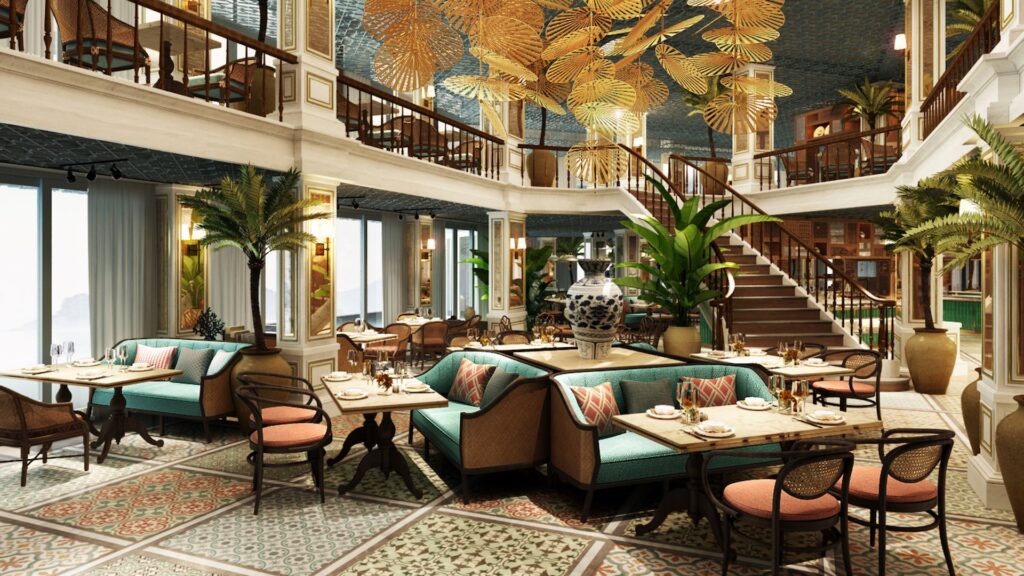
Hotel lounge space
4. Tolerance Control & Detail Execution: The Art of Perfection
In the luxury segment, the difference between acceptable and exceptional lies in the details. Tolerance management is a core discipline:
- Junction Detailing: Interfaces between cabinetry and structural walls rarely perfectly plumb in concrete construction are resolved using refined shadow gaps or applied moldings that conceal any variance while enhancing the design.
- Hardware Specification: Hinges, drawer runners, and soft-close mechanisms from industry-leading brands such as Blum and Häfele ensure fluid, silent operation that matches the quality expectation of the overall space.
- Panel Flatness: Cabinet doors spanning 2-3 meters must be engineered to resist warping over time, maintaining dimensional accuracy and a flawless surface under all lighting conditions.
Related Posts
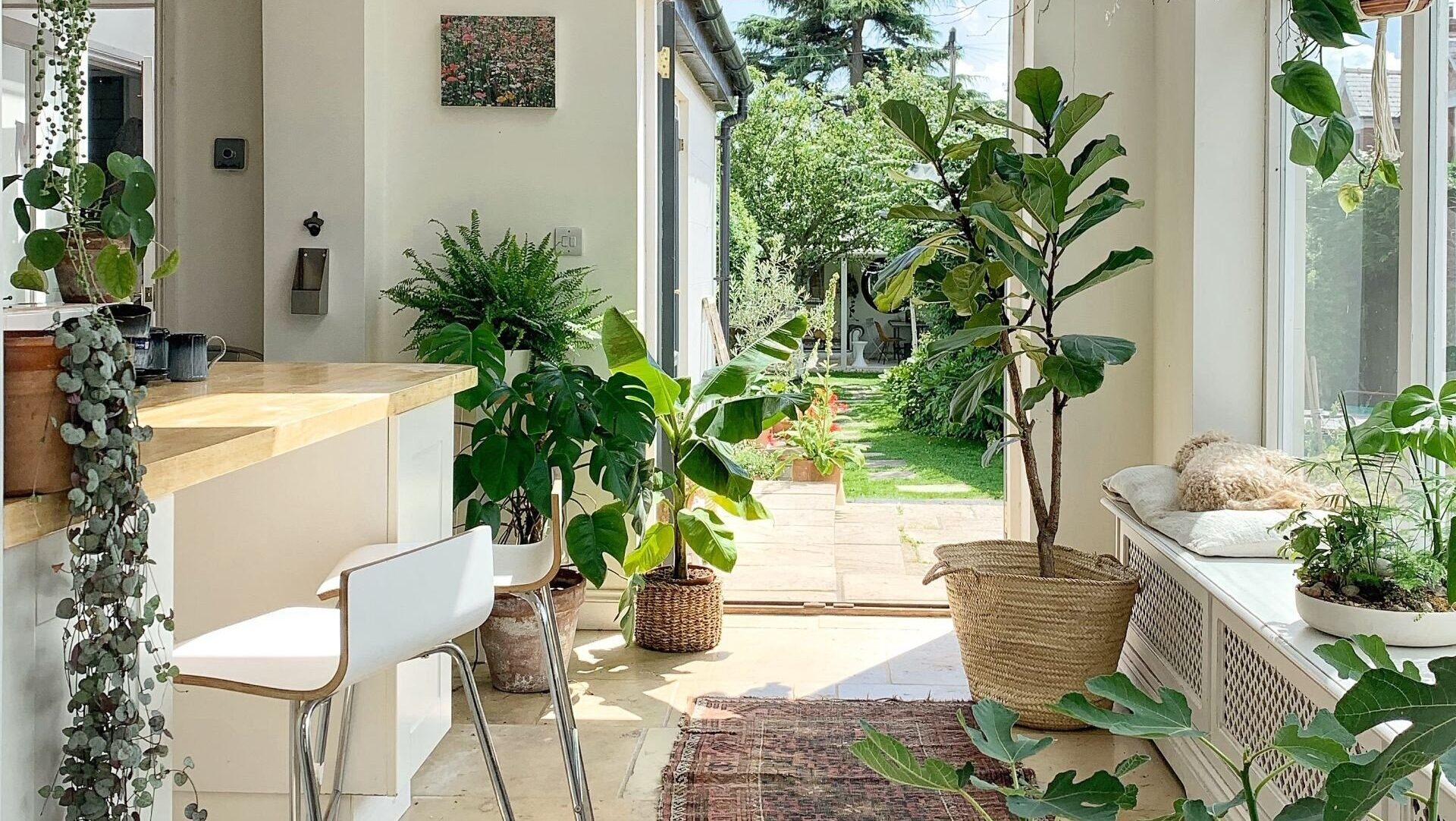
In an era defined by climate urgency, the concept of a ‘home’ or any high-quality interior environment can no longer be evaluated on comfort and aesthetics alone. A truly exceptional living or working space now demands environmental responsibility as a foundational design principle. Sustainable interior design, realized through the deliberate specification of green interior materials, […]
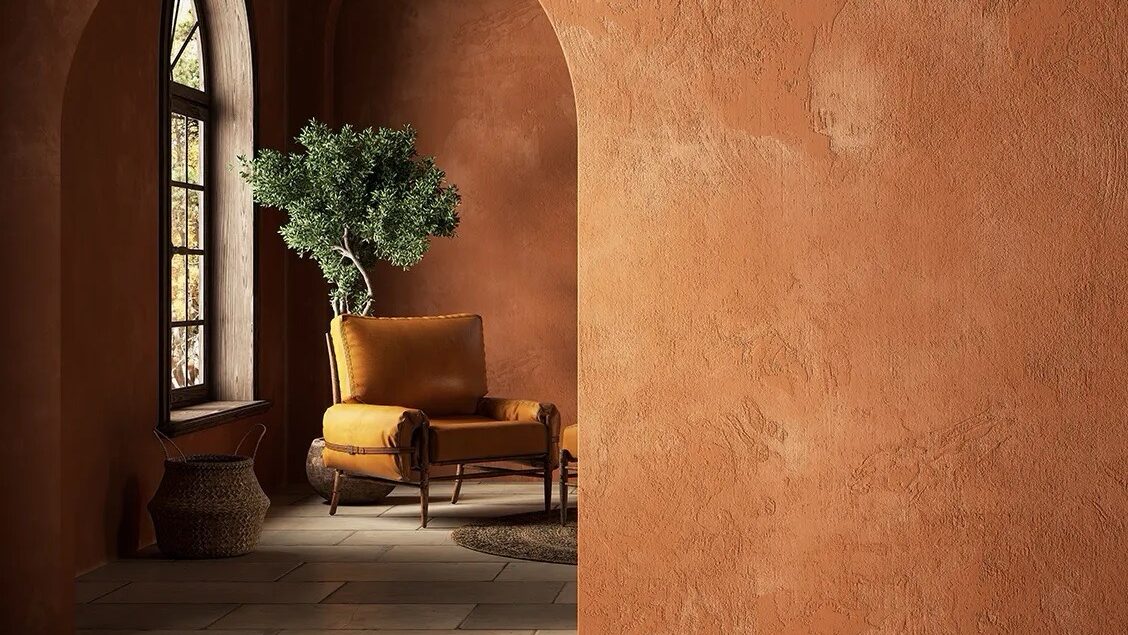
Earth tones and neutral color palettes have firmly established themselves as the defining aesthetic direction for luxury interior design in 2026. Widely adopted by leading architects and premium fit-out contractors alike, these grounded, nature-inspired schemes create interiors that are simultaneously refined, enduring, and highly versatile. From five-star hospitality to Grade-A commercial and high-end residential, neutral […]
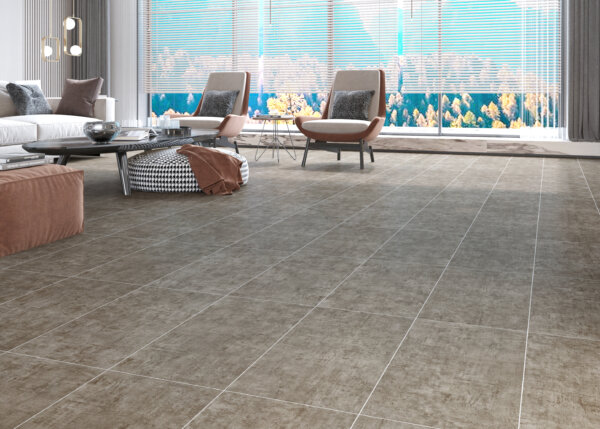
Premium tiles are no longer simply a surface finish. Across hotel, commercial office, retail, and high-end residential developments, tiles have become a defining element of architectural language, shaping spatial experience, reinforcing brand identity, and directly influencing the quality of the user journey. What was once treated as a technical finishing material has evolved into architectural […]
