
As the interior fit-out industry continues to raise its expectations around durability, aesthetics, and long-term operational performance, sintered stone has emerged as a truly strategic material specification across hotel, luxury residential, and international commercial developments. More than a trending surface material, sintered stone reflects a fundamental shift in how design and construction professionals think about interior finishes one defined by three converging priorities: premium aesthetics, enduring sophistication, and high-performance delivery.
1. What Is Sintered Stone?
Sintered stone is manufactured from a carefully calibrated blend of natural minerals including quartz, feldspar, and silica, subjected to extreme compaction pressure and fired at temperatures exceeding 1,200°C. This process replicates the geological formation of natural stone, but under precisely controlled industrial conditions. The result is a material of near-zero porosity with a fully homogeneous, monolithic structure representing a significant technical advance over natural marble and many conventional engineered stone products.
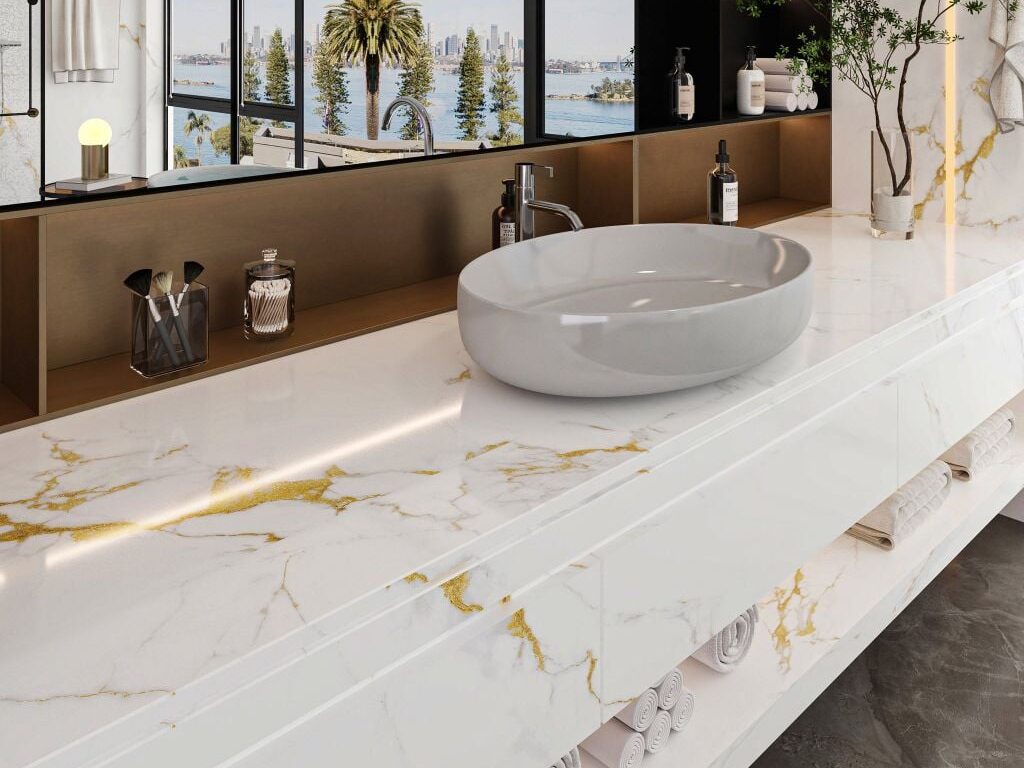
Sintered stone for luxury interiors
2. Why Sintered Stone Is the Preferred Specification for Premium Projects
2.1 Superior Technical Performance
Sintered stone delivers an exceptional mechanical and physical performance profile:
- High impact resistance and structural load-bearing capability
- Near-absolute resistance to surface scratching and liquid absorption
- Excellent thermal stability and UV color fastness under prolonged exposure
These properties make sintered stone the material of choice for high-traffic public environments, hotel lobbies, restaurant and bar surfaces, commercial reception counters, office pantries, and kitchen worktops, where materials are subjected to continuous, intensive use.
2.2 Aesthetic Flexibility That Rivals Natural Stone
Advanced surface printing technology enables sintered stone to faithfully reproduce the veining, depth, and character of natural marble, granite, and travertine with significantly greater color and pattern consistency than naturally quarried alternatives. This gives architects and developers the ability to maintain a cohesive, luxury design language across an entire project while exercising far greater control over aesthetic uniformity.
2.3 International Sustainability & Compliance Standards
Sintered stone contains no polymer resins, produces no harmful off-gassing during its service life, and meets the stringent regulatory and environmental standards of the European Union, Japan, and North American markets jurisdictions where material sustainability credentials and lifecycle performance are increasingly non-negotiable requirements for project specification.
3. Fit-Out Applications of Sintered Stone
In premium interior fit-out projects, sintered stone is commonly specified across the following applications:
- Kitchen worktops and bathroom vanity surfaces
- Feature wall cladding and grand lobby statement walls
- Reception counters and bar top surfaces
- Interior facade cladding systems
The availability of large-format slabs in a range of thicknesses allows sintered stone to create seamless, continuous surfaces with minimal joint interruption a defining requirement of contemporary luxury and modern design aesthetics.
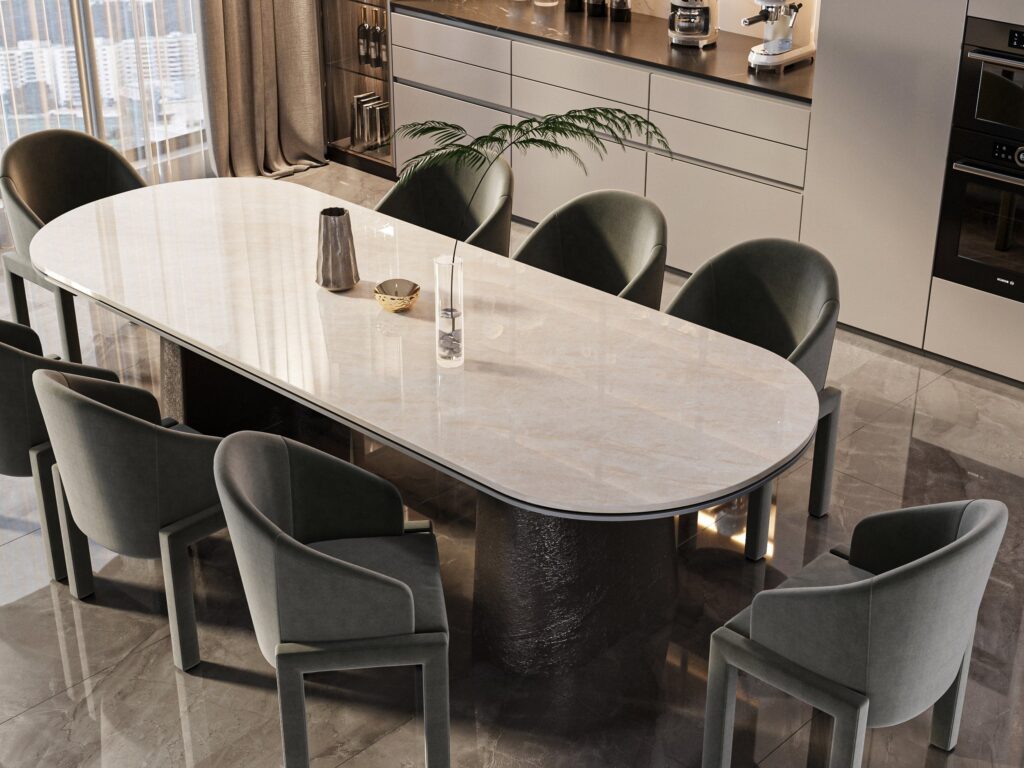
Applications of sintered stone for kitchen surfaces
4. Technical Considerations for Sintered Stone Installation
Despite its outstanding material properties, sintered stone demands a high level of technical skill and rigorous process management during installation:
- Specialized diamond-blade cutting equipment and dedicated lifting and handling machinery are essential prerequisites
- Precise on-site measurement and dimensional control are critical sintered stone’s density and hardness leave no tolerance for remediation once cut
- Advanced edge profiling, joint detailing, and appropriate structural support systems must be designed and executed to specification
Selecting an experienced fit-out contractor with a deep working knowledge of sintered stone’s material behavior is a critical success factor one that determines whether the material fully realizes its aesthetic and technical potential in the finished installation.
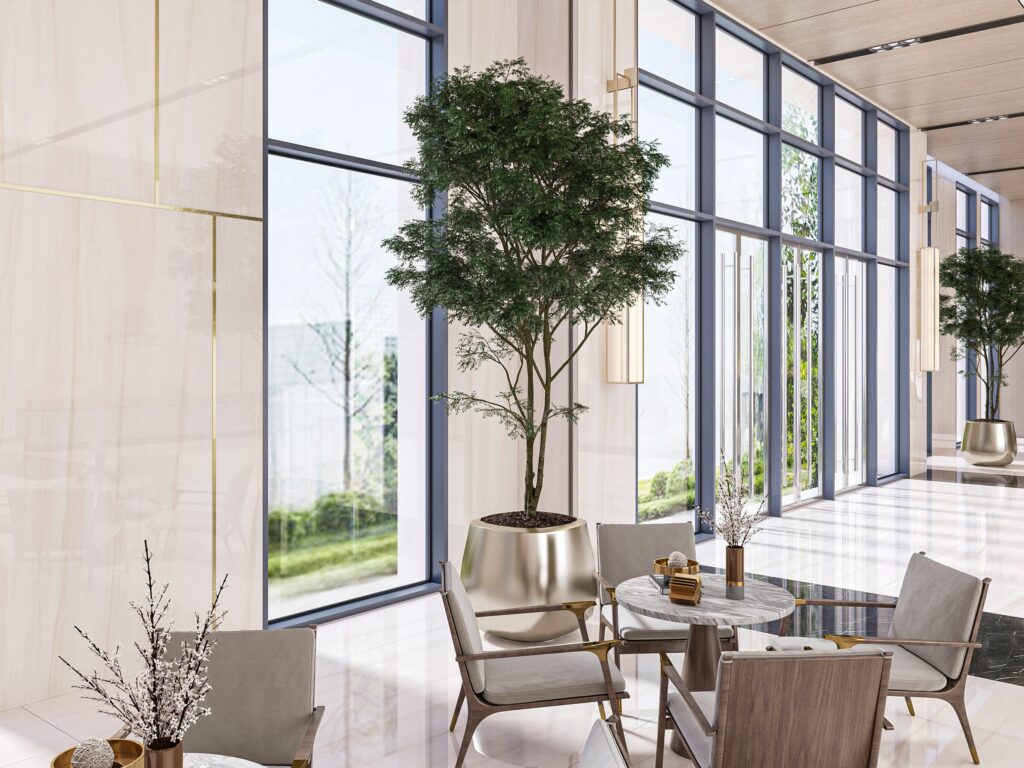
Sintered stone in fit-out projects
5. The Role of Production Ecosystem & Quality Control
On large-scale projects, the performance of sintered stone in the completed installation is not solely determined by the raw material specification it is equally dependent on the production capability, quality management systems, and supply chain stability of the delivering contractor.
Operating within or maintaining strategic partnerships with a modern, integrated manufacturing ecosystem enables:
- Consistent material and finish uniformity across all production batches supplied to the project
- Controlled and reliable supply chain scheduling aligned to the construction program
- Full compliance with the exacting technical requirements of international fit-out projects
This is precisely why sintered stone is increasingly recognized not merely as a design material, but as a strategic asset in project management and long-term building performance valued as much for its supply chain reliability as for its surface quality.
6. A Material Statement for the Modern Fit-Out Era
Sintered stone is not simply a material specification it is a declaration of intent: a commitment to quality, sustainable thinking, and internationally benchmarked standards in high-end interior design. When correctly specified and installed by a team with the requisite expertise, sintered stone elevates every environment it inhabits both aesthetically and in terms of long-term use value.
In an industry that continues to professionalize at pace, sintered stone stands as a compelling testament to the convergence of technology, engineering precision, and spatial artistry that defines the leading edge of modern fit-out practice.
Related Posts
In an era defined by climate urgency, the concept of a ‘home’ or any high-quality interior environment can no longer be evaluated on comfort and aesthetics alone. A truly exceptional living or working space now demands environmental responsibility as a foundational design principle. Sustainable interior design, realized through the deliberate specification of green interior materials, […]
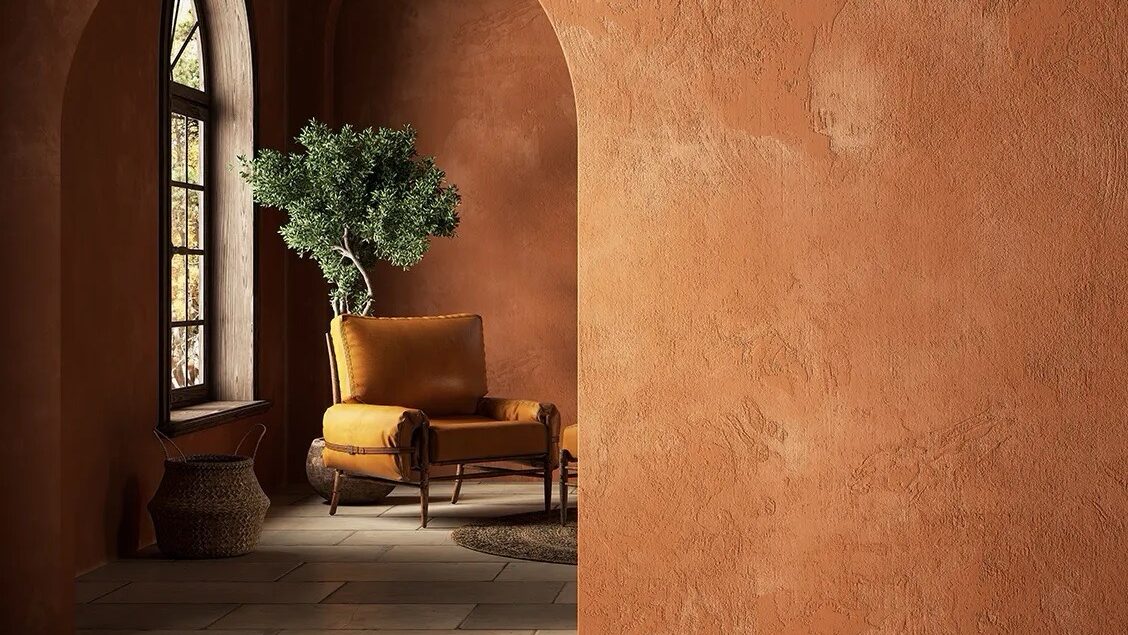
Earth tones and neutral color palettes have firmly established themselves as the defining aesthetic direction for luxury interior design in 2026. Widely adopted by leading architects and premium fit-out contractors alike, these grounded, nature-inspired schemes create interiors that are simultaneously refined, enduring, and highly versatile. From five-star hospitality to Grade-A commercial and high-end residential, neutral […]
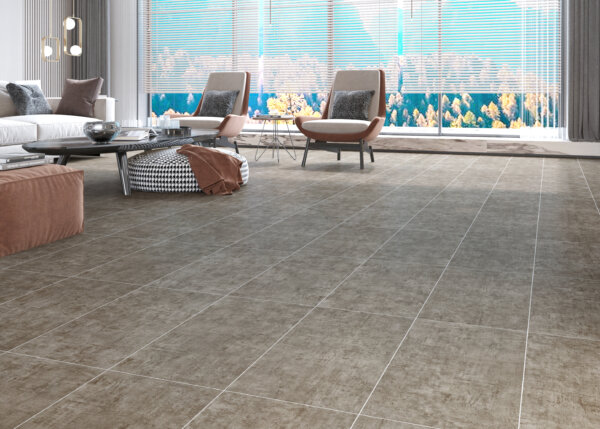
Premium tiles are no longer simply a surface finish. Across hotel, commercial office, retail, and high-end residential developments, tiles have become a defining element of architectural language, shaping spatial experience, reinforcing brand identity, and directly influencing the quality of the user journey. What was once treated as a technical finishing material has evolved into architectural […]
