
The adoption of BIM (Building Information Modeling) and advanced engineering technology has become an inevitable direction in modern interior design and construction particularly for large-scale hospitality, high-end residential, and commercial fit-out projects. Implementing BIM in interior work enables contractors to optimize construction schedules, control costs, minimize technical errors, and ensure seamless alignment between design intent and on-site execution a critical requirement for any internationally compliant fit-out project.
1. What Is BIM in Interior Design & Construction?
BIM is an intelligent, data-rich 3D modeling process that allows the complete simulation of an interior environment integrating geometry, material specifications, structural components, MEP systems, and construction sequencing into a single coordinated model. Unlike traditional 2D drawings, BIM enables all project stakeholders to visualize the finished space before a single element is built on site.
Alvano’s certifications & partners
2. Why BIM Is Increasingly Critical for High-End Interior Projects
2.1 Clash Detection at the Design Stage
One of BIM’s most significant advantages in interior fit-out is its ability to identify coordination conflicts between disciplines before construction begins, including:
- Interior finishes vs. MEP (Mechanical, Electrical & Plumbing) systems
- Structural elements vs. finish layers
- Built-in furniture vs. concealed technical infrastructure
Early clash resolution dramatically reduces costly on-site modifications one of the primary drivers of budget overruns and schedule delays in interior construction.
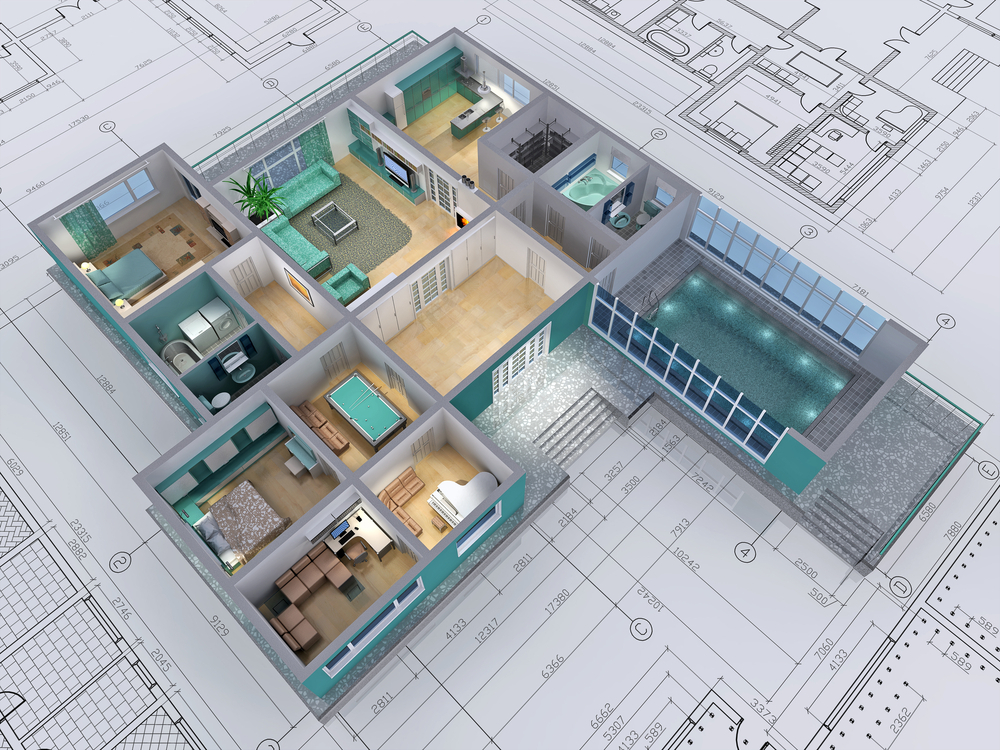
3D BIM model
2.2 Construction Schedule Optimization
BIM enables detailed simulation of construction phasing and sequencing, allowing contractors to:
- Develop accurate, phase-by-phase construction programs
- Improve coordination between concurrent trade teams
- Eliminate downtime caused by workflow overlaps and dependency conflicts
This level of scheduling precision is especially critical for hotel and resort projects operating under strict handover deadlines.
2.3. How BIM Drives Cost Control in Interior Projects
BIM provides project teams with powerful tools for financial governance throughout the project lifecycle:
- Accurate quantity take-offs directly extracted from the model
- Cost estimates grounded in real-world specifications
- Real-time cost impact assessment for every design change
When every design revision is updated within the BIM model, cost fluctuations are tracked in real time significantly reducing the risk of budget overruns, a persistent challenge in high-value interior projects.
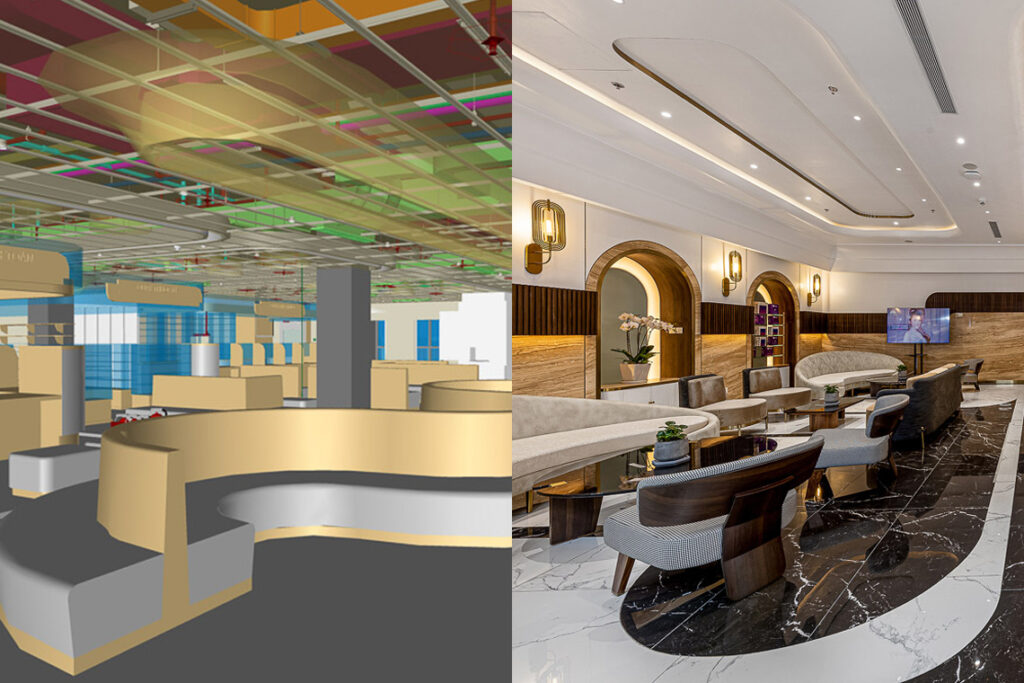
BIM in fit-out projects
4. BIM’s Role in Technical Engineering & Fit-Out Execution
In fit-out construction, even marginal dimensional errors can have cascading consequences on:
- Built-in furniture sizing and tolerances
- Material alignment and finishing accuracy
- The overall visual coherence of the finished space
BIM allows precise engineering of ceiling levels, wall modules, material layering, and connection details ensuring that the completed build faithfully reflects the original design intent.
5. Engineering Technology: The Foundation of International-Grade Interiors
Alongside BIM, a suite of complementary technologies is being increasingly integrated into fit-out workflows:
- Advanced project scheduling software for real-time program management
- Structured quality control (QC) systems and inspection protocols
- Digital manufacturing data from production facilities for full traceability
Together, these tools create a transparent, coordinated ecosystem that elevates the accuracy, accountability, and overall project control available to all stakeholders.
6. BIM & Technology: A Competitive Differentiator for Interior Contractors
Not every interior contractor has the capability to deploy BIM at a professional level. Doing so successfully requires:
- A technically skilled in-house BIM and engineering team
- Integrated, cross-discipline workflows connecting design, production, and installation
- Proven experience from complex, large-scale project deliveries
For these reasons, BIM proficiency is rapidly becoming a benchmark of contractor competence in the premium fit-out sector a clear signal of an organization’s capacity to deliver to international standards. BIM and engineering technology are no longer optional enhancements they are essential enablers for delivering interior fit-out projects that meet the highest expectations for schedule performance, cost efficiency, and construction quality. For premium interior projects, BIM is the bridge between design vision and construction reality where technology, engineering precision, and aesthetic excellence converge to create spaces built to endure.
Related Posts
In an era defined by climate urgency, the concept of a ‘home’ or any high-quality interior environment can no longer be evaluated on comfort and aesthetics alone. A truly exceptional living or working space now demands environmental responsibility as a foundational design principle. Sustainable interior design, realized through the deliberate specification of green interior materials, […]
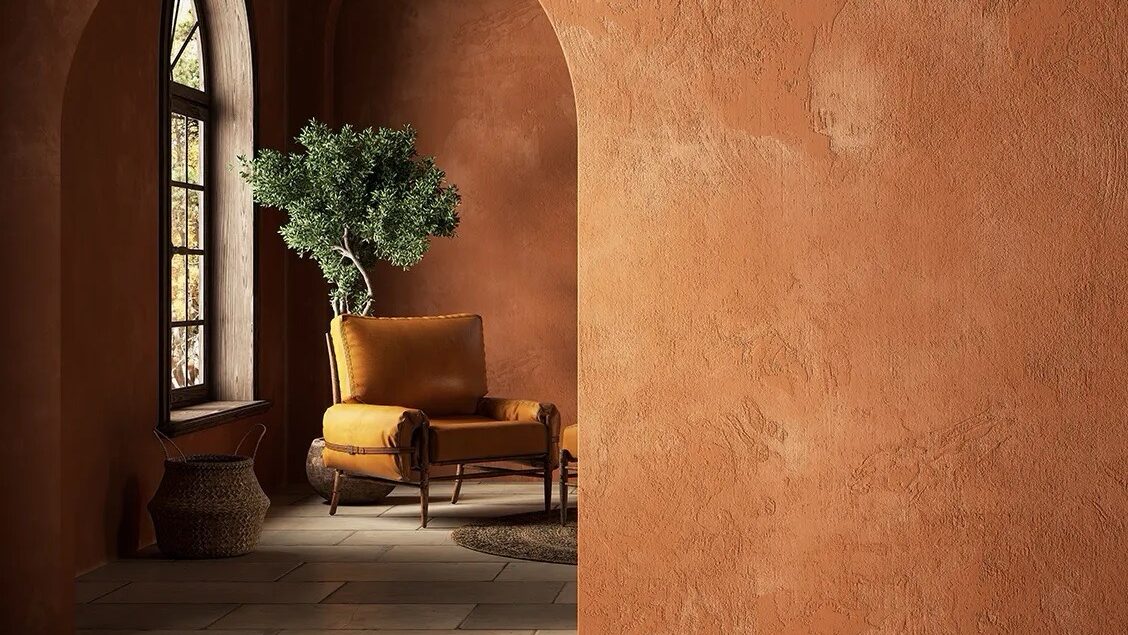
Earth tones and neutral color palettes have firmly established themselves as the defining aesthetic direction for luxury interior design in 2026. Widely adopted by leading architects and premium fit-out contractors alike, these grounded, nature-inspired schemes create interiors that are simultaneously refined, enduring, and highly versatile. From five-star hospitality to Grade-A commercial and high-end residential, neutral […]
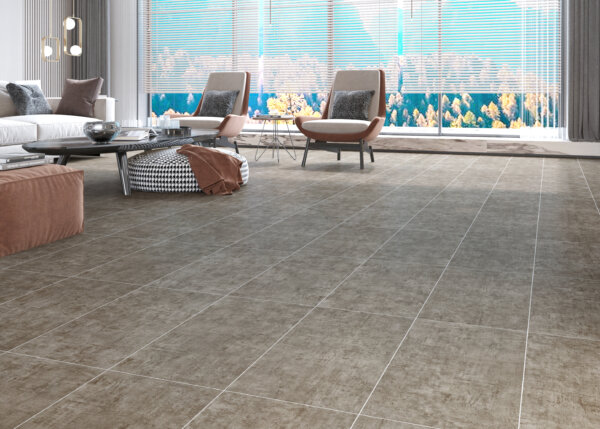
Premium tiles are no longer simply a surface finish. Across hotel, commercial office, retail, and high-end residential developments, tiles have become a defining element of architectural language, shaping spatial experience, reinforcing brand identity, and directly influencing the quality of the user journey. What was once treated as a technical finishing material has evolved into architectural […]
