
Over the past several years, the concept of sustainable interior materials has moved well beyond conference presentations and corporate ESG reports. It is now a defining consideration across hospitality, commercial office, and high-value real estate development. For many international investors and developers, the selection of sustainable interior materials is no longer a branding exercise it is directly tied to operational performance standards, green building certification requirements, and long-term return on investment. Understanding what sustainability genuinely means in the context of interior design and how to apply it effectively across design, procurement, and construction has become a critical competency for any serious design practice or fit-out contractor.
1. What Does Sustainability Mean in Interior Construction?
Sustainability in interior design is not simply a matter of selecting ‘eco-friendly’ materials. True sustainability is assessed across the complete lifecycle of every material specified. This encompasses:
- The origin and method of extraction or manufacture
- Energy consumption during the production process
- Recyclability and potential for reuse at end of service life
- Long-term durability and maintenance requirements throughout building operation
A material qualifies as sustainable when it demonstrably minimizes environmental impact across its entire lifecycle, while simultaneously meeting the project’s aesthetic, performance, and budget requirements. In premium interior projects today, sustainability criteria are embedded at the design stage to ensure a coherent balance between architecture, material specification, and long-term operational efficiency.
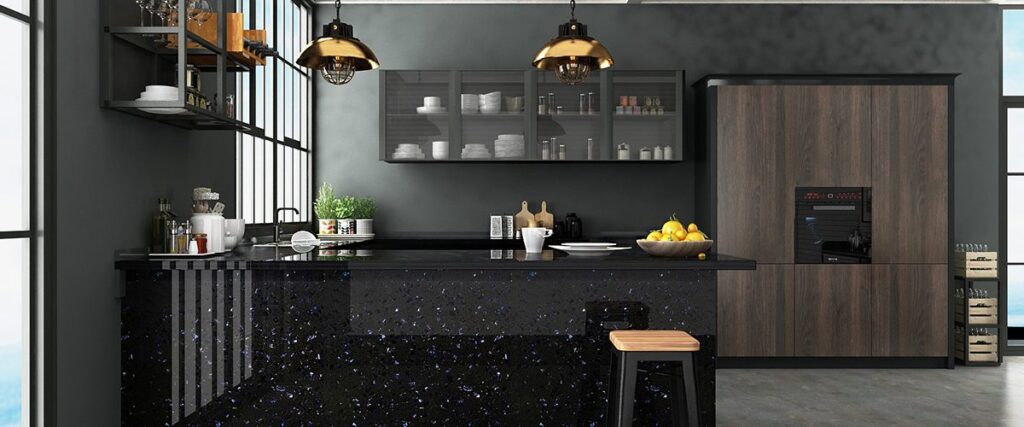
Sustainable interior materials
2. ESG & LEED-Compliant Material Selection
On international projects particularly Grade-A commercial offices and luxury hospitality material specifications are increasingly aligned with recognized sustainability frameworks such as ESG and LEED. These rating systems evaluate buildings across multiple dimensions, including:
- Energy efficiency in building operations
- Source and origin of specified materials
- Indoor environmental quality and occupant health
- Waste management and recycling potential
Material categories commonly prioritized in green building-certified projects include FSC-certified timber, responsibly quarried natural stone, recycled and reclaimed materials, and low-VOC paints and surface treatments. Specifying compliant materials not only supports achievement of international green building certifications it meaningfully enhances the commercial value and market positioning of the project.
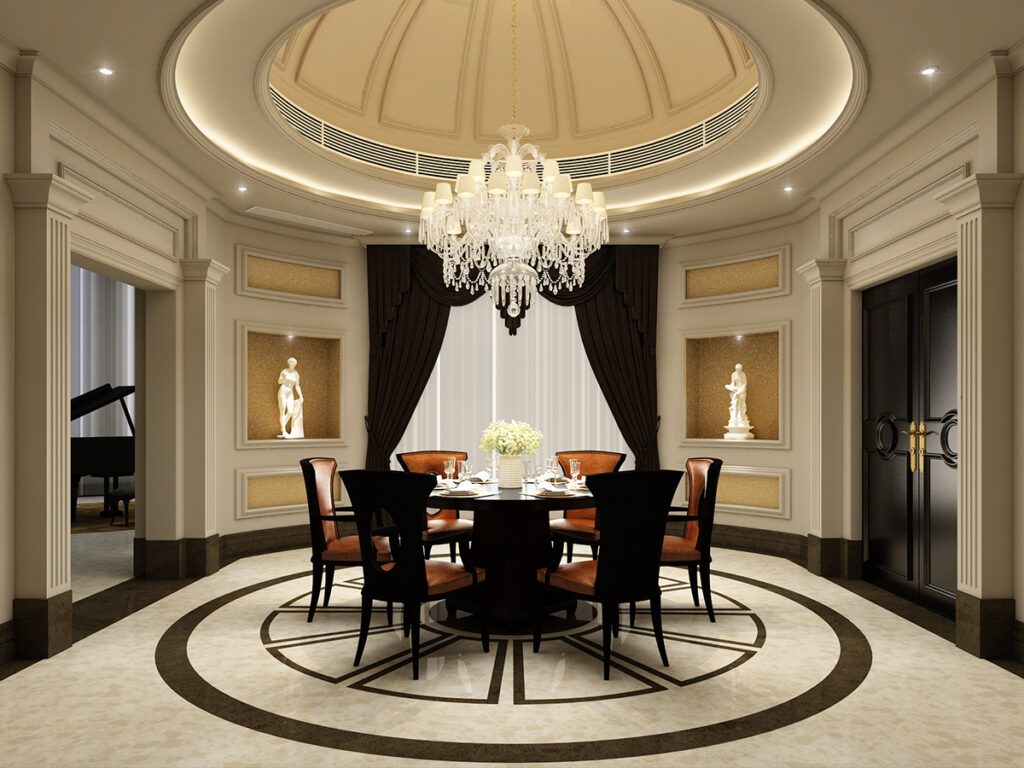
FSC-certified wood in interiors
3. Stone, Timber & the Product Lifecycle
Stone and timber remain the two most widely specified material categories in interior design. However, when evaluated through a sustainability lens, performance extends well beyond the material itself to encompass the full product lifecycle:
- For natural and engineered stone: sustainability assessment focuses on durability and longevity, low ongoing maintenance requirements, and the potential for reuse and reincorporation during future fit-out or refurbishment works.
- For timber: the most critical sustainability factor is provenance and extraction methodology. Timber carrying FSC certification, or sourced from responsibly managed plantation forests, is consistently prioritized in international project specifications.
- Engineered timber products and veneers offer an additional dimension of sustainability optimizing the use of natural timber resources while preserving the full aesthetic and tactile qualities of the natural material.
4. Long-Term Investment Impact
A widely held misconception is that sustainable interior materials invariably carry a cost premium. Assessed across the complete building lifecycle, this assumption rarely holds. Sustainable materials consistently deliver measurable long-term advantages:
- Extended service life and reduced replacement frequency
- Lower maintenance expenditure over the building’s operational period
- Superior operational performance contributing to energy efficiency
- Enhanced asset value and market premium at point of sale or lease
For hospitality, commercial office, and investment real estate projects, these factors can generate a significant cumulative difference in total cost of ownership over the building’s operational life. As a result, many sophisticated developers now view sustainable material specification as a strategic investment decision not a marketing line item.
5. A Fit-Out Contractor’s Perspective
From a construction standpoint, implementing sustainable interior materials extends beyond procurement it requires manufacturing capability and quality management infrastructure:
- Robust incoming material inspection and verification protocols
- Manufacturing processes calibrated to the performance characteristics of sustainable materials
- Installation methodologies that account for the specific behavior of natural and engineered materials
- Waste minimization strategies integrated throughout the construction workflow
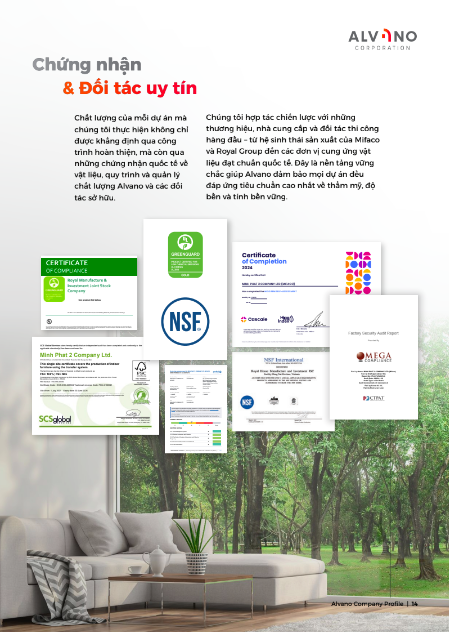
FSC-certified wood in interiors
Close coordination across design, manufacturing, and installation disciplines also reduces errors and optimizes material utilization across the full project scope. This integrated capability is precisely why many discerning developers choose to work with fit-out contractors who operate with fully integrated production ecosystems and demonstrable quality control systems ensuring that sustainability commitments are maintained consistently from initial specification through to final handover.
Related Posts
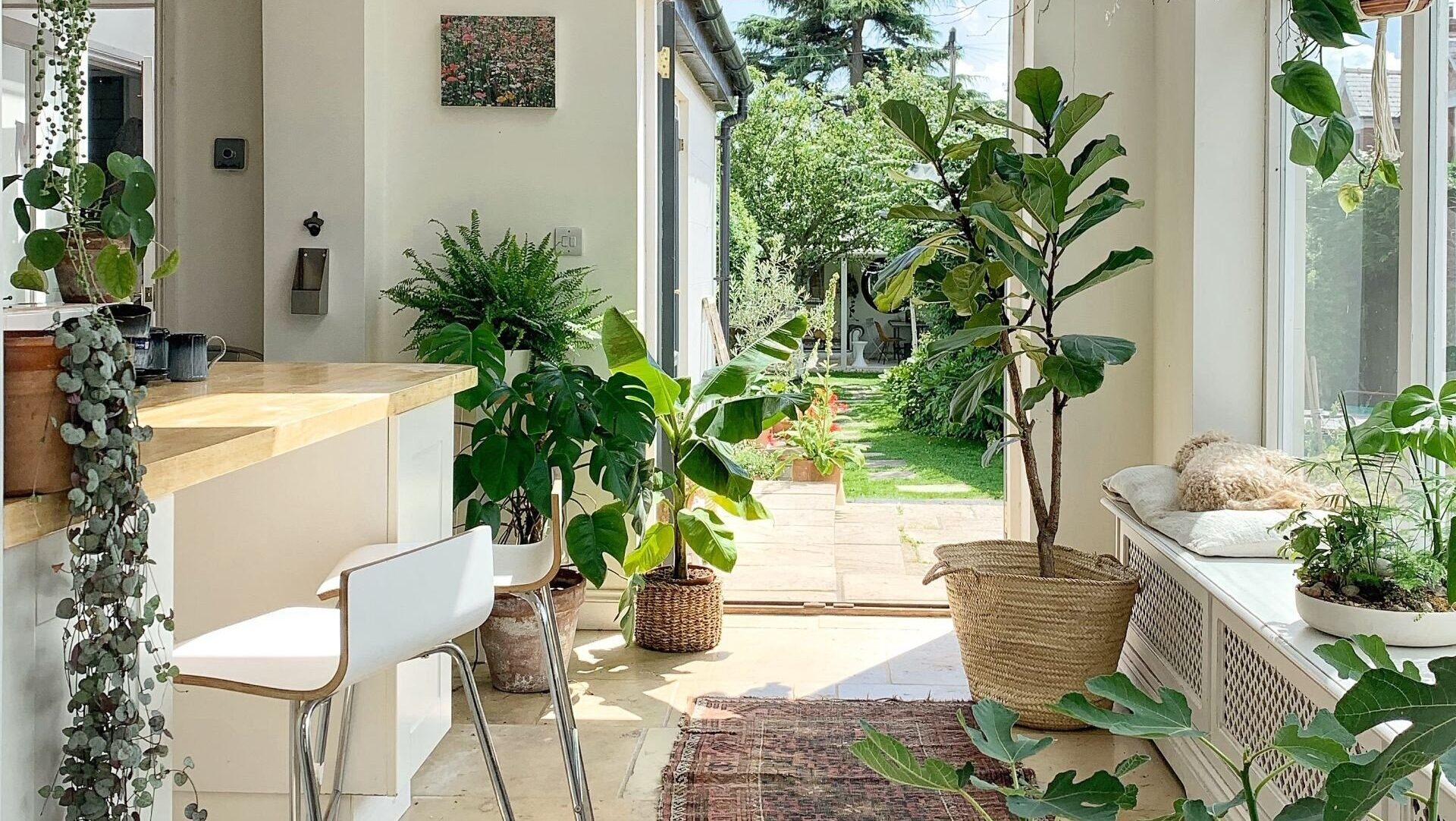
In an era defined by climate urgency, the concept of a ‘home’ or any high-quality interior environment can no longer be evaluated on comfort and aesthetics alone. A truly exceptional living or working space now demands environmental responsibility as a foundational design principle. Sustainable interior design, realized through the deliberate specification of green interior materials, […]
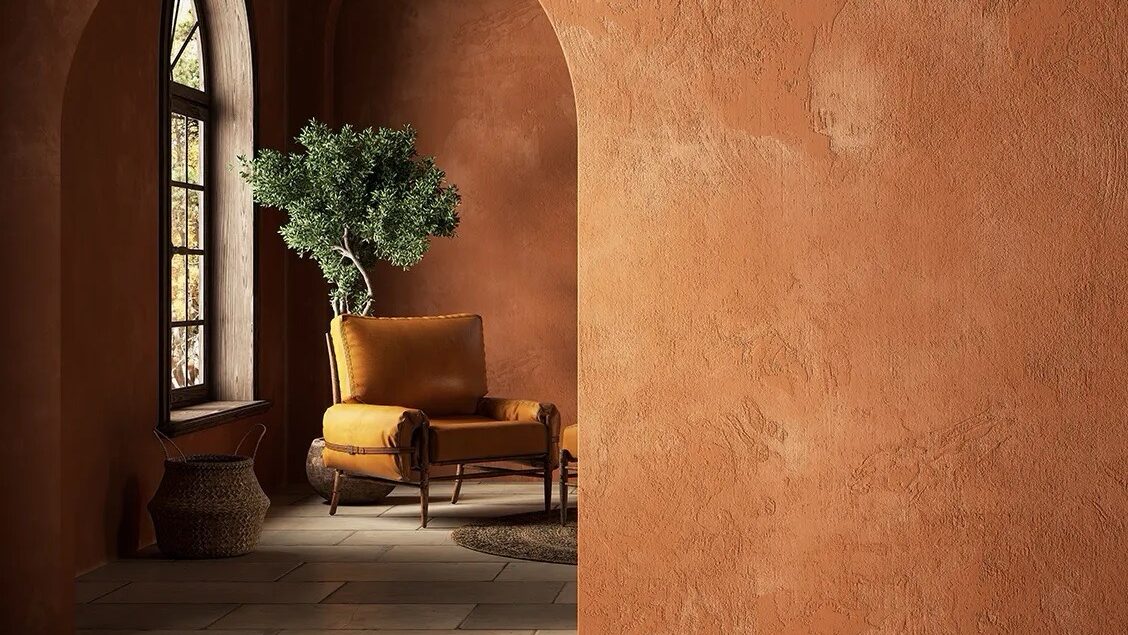
Earth tones and neutral color palettes have firmly established themselves as the defining aesthetic direction for luxury interior design in 2026. Widely adopted by leading architects and premium fit-out contractors alike, these grounded, nature-inspired schemes create interiors that are simultaneously refined, enduring, and highly versatile. From five-star hospitality to Grade-A commercial and high-end residential, neutral […]
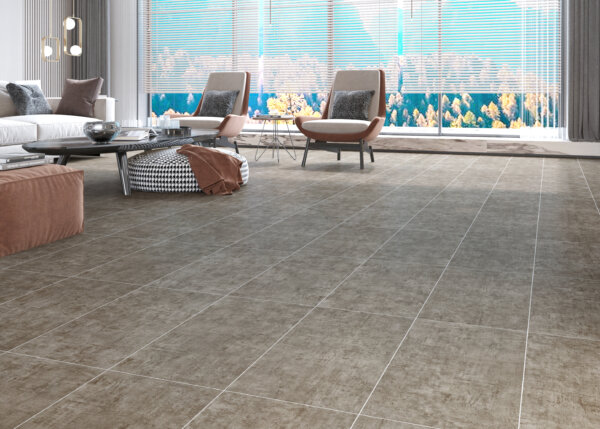
Premium tiles are no longer simply a surface finish. Across hotel, commercial office, retail, and high-end residential developments, tiles have become a defining element of architectural language, shaping spatial experience, reinforcing brand identity, and directly influencing the quality of the user journey. What was once treated as a technical finishing material has evolved into architectural […]
